Your cart is currently empty!
Welcome to the Pyzdek Institute
Master Lean Six Sigma and Drive Organizational Excellence with the Pyzdek Institute.
Special Offer: 60% Off Lean Six Sigma White Belt Training!
- Self-Paced & 100% Online: Complete the course in just 4 hours at your own pace.
- Immediate Impact: Jumpstart your process improvement journey with essential Lean Six Sigma skills.
- Exceptional Value: Regular price $99, now just $39.60 for a limited time!

We don’t train people to pass an exam, we train leaders of continuous process improvement!
JUAN RIVERA — PRESIDENT
Why Choose the Pyzdek Institute?

World-Class Training & Certification
The Pyzdek Institute offers comprehensive and accredited Lean Six Sigma training and certification programs, ensuring the highest standards in the industry.

Expert Consulting Services
Our experienced Master Black Belts provide tailored solutions to help businesses achieve operational excellence and drive continuous improvement.
Flexible Learning Options
Choose from online self-paced courses, instructor-led virtual classes, or on-site training to fit your schedule and learning preferences.
Meet Our Founder, Thomas Pyzdek

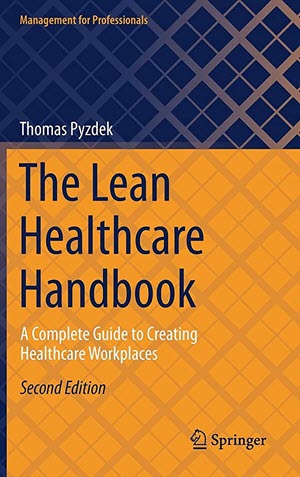
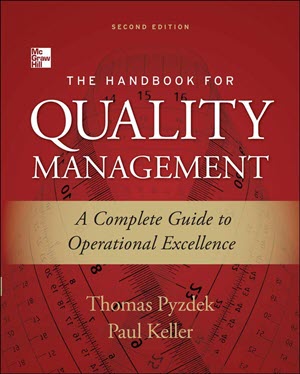
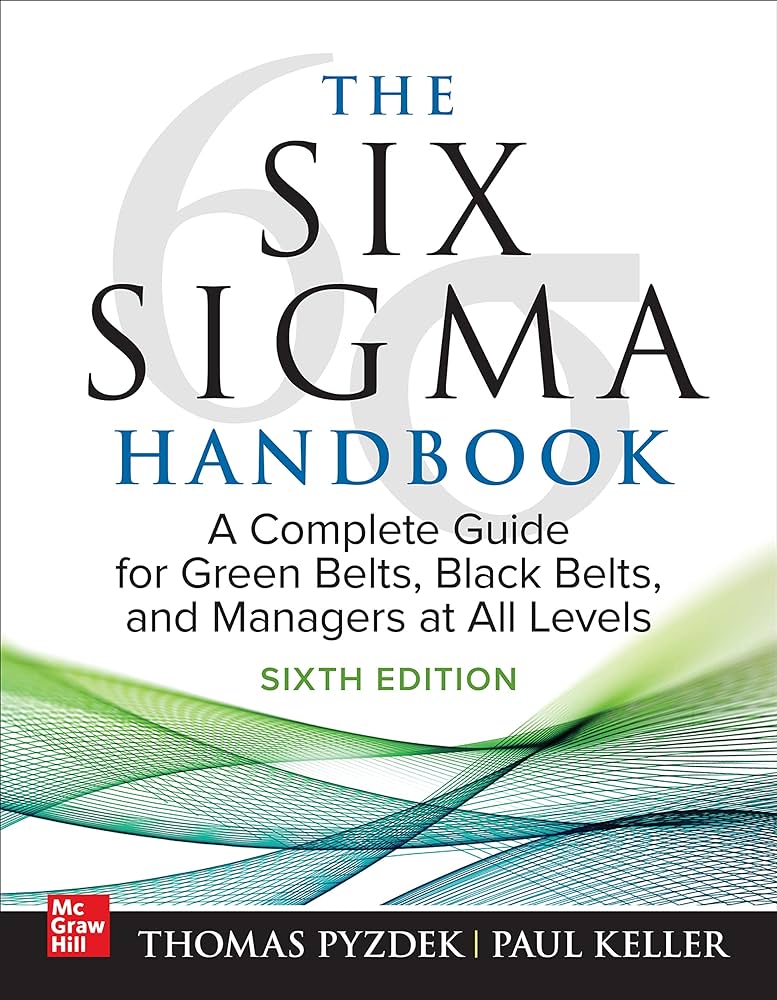
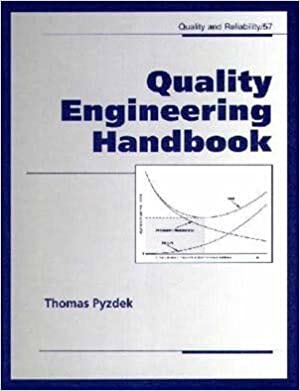
Thomas Pyzdek, founder of the Pyzdek Institute, is a globally recognized authority in Lean Six Sigma. He is the author of ‘The Six Sigma Handbook’, the go-to reference for Six Sigma practitioners for decades, as well as many other seminal books in the field such as ‘The Lean Healthcare Handbook’ and ‘The Quality Engineering Handbook’. His textbooks are widely used by universities worldwide, reflecting the depth of understanding and practical insight that underpins the training and certification programs offered by the Pyzdek Institute.
Our Training Programs

Lean Six Sigma Certification
A range of courses that cover Lean Six Sigma principles and methodologies, designed for individuals and organizations seeking to improve quality and efficiency.

Engineering Statistics Certification
The coveted Pyzdek Institute Engineering Statistics Certification brings participants up-to-date with the latest statistical methods and, at the same time, fills in a known knowledge gap common to many University-level Engineering degrees. The certification Body of Knowledge is based on proven error-proofed workflows that cover a wide range of methods that solve tough problems, reduce cost, acquire new process knowledge and improve Key Performance Indicators.

Lean Healthcare Training
Courses that apply the principles of Lean to healthcare operations, including waste reduction, flow, and continuous improvement, and equip healthcare professionals with the skills to optimize healthcare processes and improve patient outcomes.

Lean Training & Certification
Courses that teach the principles of Lean manufacturing and service operations, including waste reduction, flow, and continuous improvement, and equip participants with the skills to identify and eliminate process problems.
Process Improvement Techniques
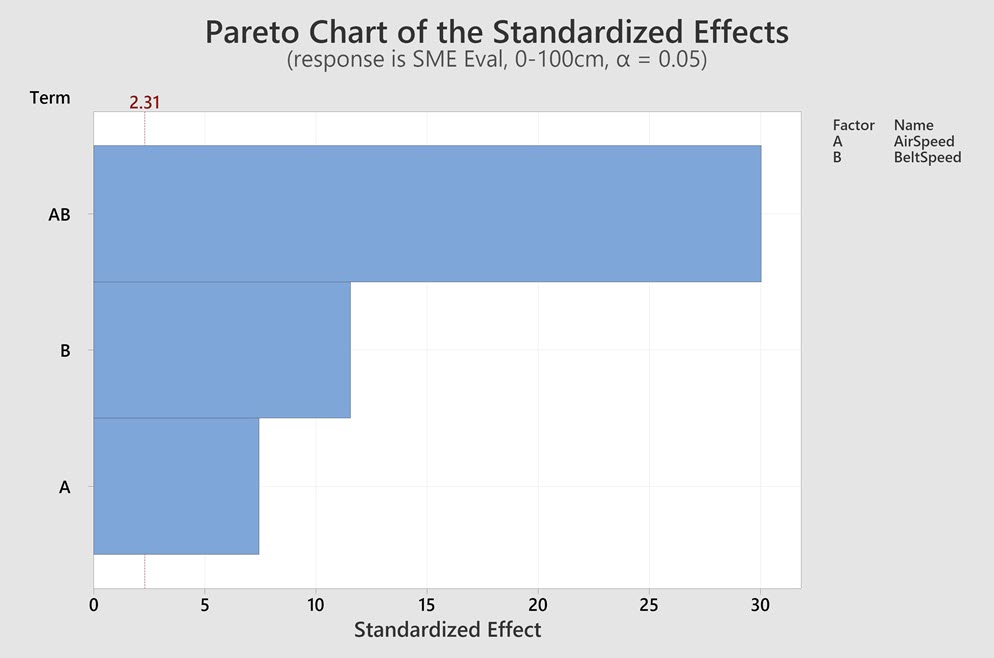
Workshops that cover various process improvement techniques and tools, including statistical process control, design of experiments, and more.

Predictive Analytics and Data Analysis
Workshops that teach statistical and data analysis techniques, including predictive analytics, multivariate methods, and regression analysis, to help organizations make data-driven decisions and improve business performance.
What Our Students Say

Fatimeh Pooyah
I have started using Minitab and Workspace, it is quite a ‘wow’ experience. To my utter surprise I had to learn how to trust your many online step by step video recordings and it has worked. Thank you very much for your continued cooperation and support.

Gavin Shaw
I wanted to thank you and your team for the value I’ve been able to take away from your Lean Six Sigma Black Belt course. I have been studying a Masters of Engineering (Management) degree which focuses heavily on business improvement methodologies such as Six Sigma and I have learned much more, to a far higher level of detail in your course. I doubt I would have achieved the same level of competence and technical knowledge in the area of Six Sigma without undertaking your course. Thanks once again.

Patrick Muhl
I’ve been taking the Lean Six Sigma Black Belt course at the Pyzdek Institute and it has been a truly rewarding experience. Not only is the course material very well structured and easy to digest, but it will also allow you to drive projects successfully. There is a vast amount of tools, templates and information that you will definitely use lots, when working as a belt. I can highly recommend this course and hope people sign up.
Featured Courses

Lean Six Sigma Black Belt
A range of courses that cover Lean Six Sigma principles and methodologies, designed for individuals and organizations seeking to improve quality and efficiency.

Lean Six Sigma Green Belt
Courses that teach the principles of Lean manufacturing and service operations, including waste reduction, flow, and continuous improvement, and equip participants with the skills to identify and eliminate process problems.
Engineering Statistics
The coveted Pyzdek Institute Engineering Statistics Certification brings participants up-to-date with the latest statistical methods and, at the same time, fills in a known knowledge gap common to many University-level Engineering degrees. The certification Body of Knowledge is based on proven error-proofed workflows that cover a wide range of methods that solve tough problems, reduce cost, acquire new process knowledge and improve Key Performance Indicators.
Trusted by






Ready to Transform Your Career and Your Organization?
From Our Blog
- How Measurement Systems Management (MSM) Enhances IATF 16949 Compliance and Corporate Profitability
 In the ever-evolving landscape of automotive manufacturing, the quest for excellence is a constant. Quality assurance, accuracy, precision, and adherence to US and international standards are not mere objectives; they are necessities. In this realm, IATF 16949:2016 stands as the […]
 - Announcing the Release of the 6th Edition of The Six Sigma Handbook by Thomas Pyzdek!
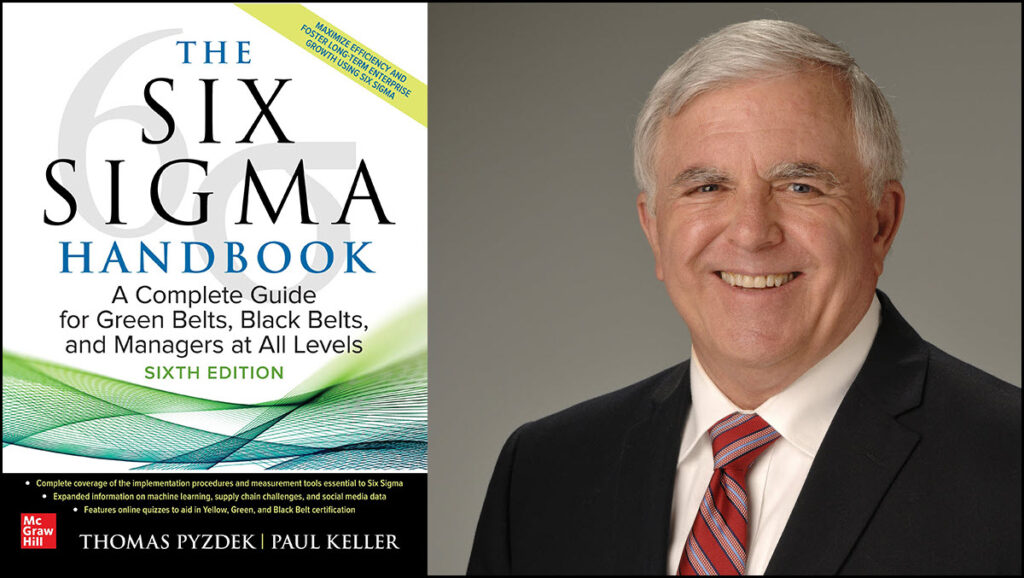 Hello Six Sigma Enthusiasts, We are thrilled to announce the release of the latest edition of the invaluable Six Sigma resource – the 6th Edition of The Six Sigma Handbook, authored by Thomas Pyzdek. This edition comes fully updated with […]
 - The Power of Six Sigma in Optimizing Call Center Performance: An Experiment
 A deep understanding of Six Sigma methodology can revolutionize the way businesses operate and improve their performance. Case in point, a call center’s function, which often faces challenges in agent performance, customer satisfaction, and operational efficiency. To shed light on […]